If you have never had a car tinted in North Carolina, the law sounds like alphabet soup: VLT percentages, an AS-1 line, an inspection check, and exceptions you hear about secondhand. It is simpler than it sounds. A handful of numbers govern the whole subject, and once you know them, a first tint job in Charlotte is a short, predictable process from choosing film to passing inspection.
VLT stands for visible light transmission, the percentage of light that passes through glass and film together. A lower number means darker glass. North Carolina's headline figure is 35 percent: front side windows must transmit more than 35 percent of light, measured with the factory glass included in the reading.
The numbers that matter, in one place
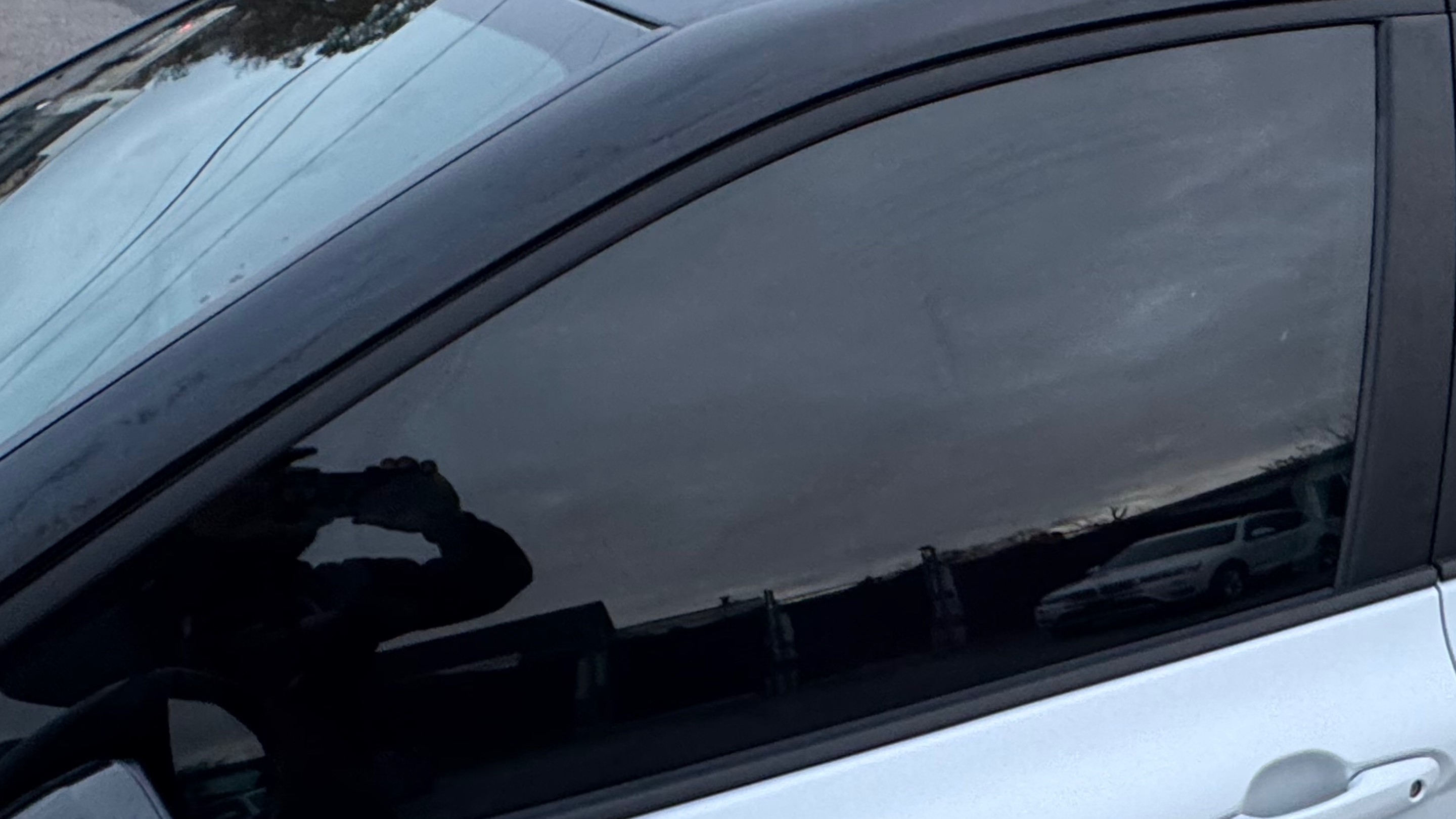
Front side windows: more than 35 percent VLT, combined glass and film. Windshield: tint only in the band above the AS-1 line, and it must be non-reflective. Rear side windows and the rear window on most passenger cars follow the same 35 percent figure, while many SUVs, trucks, and vans have more freedom behind the front seats. Reflectivity is limited too; film cannot be mirror-like. These are the figures an inspector's light meter checks.
Two practical consequences follow. First, a film sold as 35 percent film does not guarantee a 35 percent result, because factory glass already blocks some light, and the combination reads darker than the film alone. Second, the person installing your film should be measuring or accounting for your specific glass, not just handing you a shade chart. That is the difference between a car that passes and a car that gets flagged.
Your first tint job, step by step
- Bring the car in clean and know your inspection month, so film choice and timing work together rather than against each other.
- Have the existing glass measured, especially the front side windows, so the film can be chosen to keep the combined reading above 35 percent VLT.
- Choose film type as well as shade: dyed film is the budget route, while metallic and ceramic films reject more heat and resist the purple fade.
- Decide on the windshield strip above the AS-1 line at the same visit, since it is quick to add while the car is in the bay.
- Leave with windows up for the curing period your installer specifies, and keep the paperwork listing the film installed.
- At your next North Carolina inspection, the front windows are checked with a light meter; a compliant install passes without discussion.
Inspections and the medical exception
North Carolina's annual safety inspection includes tint measurement where tint is present, using a light meter on the front windows. An additional inspection fee can apply for tinted windows, and a reading past the limit means the film has to be corrected before the car passes. Drivers moving into North Carolina sometimes learn this the hard way, arriving with film that was legal in their previous state and is too dark here.
There is a medical exception process for people whose conditions require darker tint or windshield coverage, handled through the state with documentation from a medical provider. It is a formal approval, not a note that excuses any shade, and the details are worth checking with the DMV if you believe you qualify. Everyone else should treat 35 percent as a hard planning number.
First-timer mistakes to skip
The classic error is choosing by appearance alone in the shop, under indoor light, without accounting for the glass. The second is mixing badly: very dark rears with fronts at the legal limit can look unbalanced, which is a planning issue rather than a legal one. The third is assuming another state's rules travel with the car. They do not; the car is inspected where it is registered.
At 704Tint, auto window tinting and windshield tinting are core services, and a first visit is mostly a measuring and choosing exercise. Bring your questions, look at film on glass in daylight, and let the numbers narrow the choices. The result is a car that looks the way you wanted and treats inspection day as a non-event.
Common questions
What does 35 percent VLT actually mean?
It means more than 35 percent of visible light must pass through the window, counting the glass and film together. Lower percentages are darker, and the front side windows are the ones North Carolina measures.
Will my tint be checked at inspection?
Yes, front window tint is measured with a light meter during the North Carolina safety inspection. Film that reads past the limit must be corrected for the car to pass.
I moved to North Carolina with darker tint. Is it grandfathered?
No. The car must meet North Carolina's limits to pass inspection here, regardless of what was legal where the film was installed.
Photos in this guide are representative stock images.
← All guides from 704Tint← Back to 704Tint