New window film looks finished the day it is installed, but it is not fully bonded for days, and it stays vulnerable to the wrong cleaner for its whole life. Most tint damage seen in Charlotte shops is not sun damage. It is housekeeping damage: the blue ammonia glass cleaner from under the sink, a rough paper towel, a fingernail at a lifting corner. The film did its part. The cleaning undid it.
The good news is that correct care is simpler than the habits it replaces. One ammonia-free cleaner, one soft microfiber cloth, and a little restraint around the edges will keep film clear and bonded for years. The cost of neglect is paid in haze, scratches, edge lift, and eventually a removal and retint that better habits would have postponed by years.
The first days: curing is not drying
Fresh film is applied wet, and the moisture between film and glass has to work its way out. That curing takes several days in warm weather and longer in a cold garage. During that window the film can look hazy or show small water pockets, which is normal and temporary. Rolling the windows down too soon can catch an edge and fold it, turning a normal cure into a repair.
Heat helps curing, which is why summer installs in the Piedmont settle quickly. Winter installs in Charlotte cure more slowly, and patience matters more. Either way, the rule is the same: hands off, windows up, and no cleaning until the installer says the bond has set.
Ammonia: the quiet film killer
Ammonia-based glass cleaners are the classic mistake. Ammonia attacks the adhesive layer and accelerates the dye breakdown that turns film purple, working from every cleaned surface inward. The damage is gradual, so nobody connects the streaky purple rear window in year four with the cleaner used since day one. Switching to an ammonia-free product, sold in any auto aisle and usually labeled safe for tinted windows, removes the whole category of harm.
Technique matters almost as much. Paper towels and shop rags are abrasive at the scale of a film surface, leaving fine scratches that scatter light and read as haze at night. A plush microfiber, lightly dampened, lifts pollen and road film without grinding it across the surface. Charlotte's spring pollen is heavy enough to tempt a dry wipe; resist it, because dry pollen dragged with a rough cloth is sandpaper in slow motion.

Edges, corners, and the door seal problem
Film usually fails at its edges first. The bottom edge of a side window travels past the door's weatherstripping every time the window moves, and dirt trapped in that seal drags across the film. Keeping the window channels reasonably clean, and not forcing a window that is sticking, protects that edge. At the corners, resist picking at any small lift. A lifted corner handled early by a shop can be re-seated or trimmed; a corner peeled by a fingernail becomes a tear.
Stickers and parking decals are another slow problem. Anything adhered to film and later scraped off takes adhesive and sometimes film with it. Decals belong on glass areas without film, or on a plate or bumper, never razored off a tinted surface.
What neglect actually costs
Neglected film does not fail all at once. It hazes, then scratches catch headlights at night, then edges lift and bubbles follow as contaminated adhesive lets go. By the time visibility through a rear window is genuinely poor, the only fix is full removal, the defroster-risk job, plus new film. Compare that path with the upkeep it replaces: a suitable cleaner, two cloths, and a yearly look at the edges. Shops like 704Tint also offer detailing, and a professional interior detail is a safe way to get glass cleaned correctly if home habits have slipped.
A simple rhythm works. Wash the glass gently whenever you wash the car. Check edges each spring when pollen season ends. Keep the ammonia cleaner for the house mirrors only. Film cared for that way routinely outlasts the period most people keep a car, which is the outcome the small habits are buying.
Common questions
When can I wash my windows after tinting?
Wait until the film has cured, typically several days and up to a few weeks in cool weather. Your installer will give a timeframe; cleaning too early can shift or lift the film.
What cleaner is safe on tint?
Any ammonia-free glass cleaner labeled safe for tinted windows, used with a soft microfiber cloth. Avoid standard blue ammonia cleaners, which degrade adhesive and dye.
Can scratches in film be polished out?
No. Scratches are in the film layer itself and cannot be buffed away like paint defects. Prevention with soft cloths is the only real strategy; damaged panes need new film.
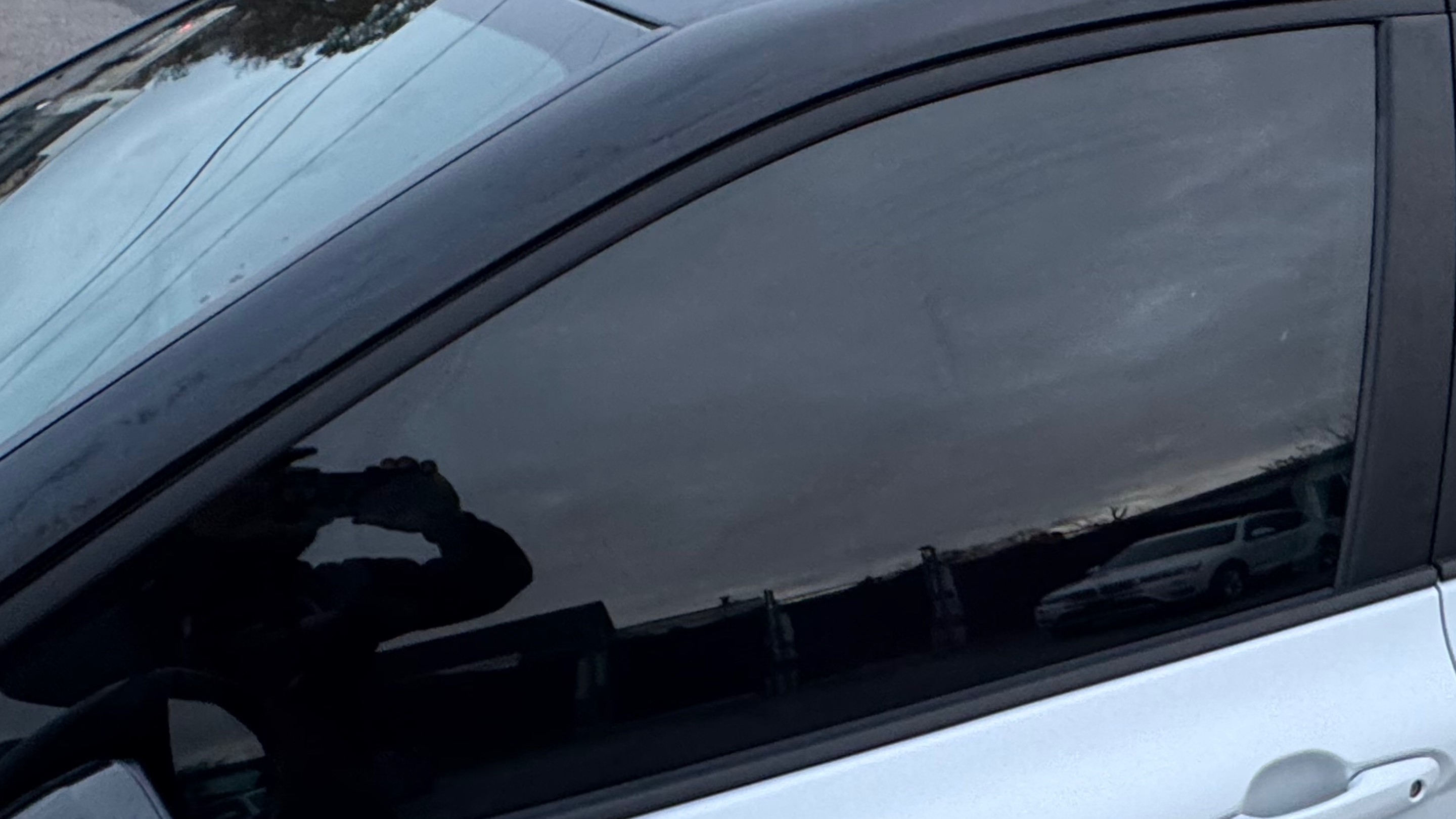
Photos in this guide are representative stock images.
← All guides from 704Tint← Back to 704Tint